
Westcoast Wave Newsletter - November 2026
Welcome to the November 2026 Newsletter!
Encouraging Nature Connection During the Fall Season
As the seasons change, fall offers countless opportunities for children to connect with nature through exploration, play, and learning outdoors. Whether it's splashing in puddles, collecting colourful leaves, noticing changes in the weather, or discovering local wildlife, spending time outside nurtures children's curiosity, creativity, resilience, and overall well-being.
This month, families and educators can support children's growth through meaningful experiences, relationships, and community connections. In this newsletter, you'll find resources and information on:
🧡 Indigenous Disability Awareness
Learn about the importance of inclusion, respect, and recognizing the strengths and contributions of Indigenous children, families, and communities.
🥕 Supporting Picky Eaters
Explore practical strategies to help make mealtimes more positive and encourage children to develop healthy relationships with food.
📚 Library Collaborations
Learn how local library partnerships provide enriching opportunities for literacy, learning, and family engagement.
🎓 Courses and Workshops
Find upcoming professional development opportunities and community learning events for educators and families.
We hope this month's newsletter inspires you to embrace the beauty of the season and discover new ways to support children's learning, belonging, and well-being both indoors and outdoors. Happy November! 🍂
The WCCRC Team

Westcoast Training
Professional development courses for Early Childhood Professionals
Keep in mind that 40 hours is the minimum needed to renew an ECE certificate. Additional training is always a great way to explore topics that interest you, strengthen your practice, and help us stay inspired in our work.
Our courses and workshops support the implementation of the BC Early Learning Framework, Schedule G of the BC Child Care Licensing Regulation and the Early Childhood Educators of BC Code of Ethics.
Create a free WCCRC account to register for our courses, workshops, access certificates and view your transaction receipts. Sign in or create a free WCCRC account to get started.
Courses
40-hour (AMCC) Administration & Management for Child Care Instructor-Guided Course (online via Zoom)
12-hour (AMCC) Administration & Management for Child Care Self-Guided Course (online, available 24/7, no instructor)
Workshops
Play Activities for Infants and Toddlers
Why Childhood Alarm-Based Concerns Are on the Rise & a Path to Recovery.
This last one is the third session in a four-part session, facilitated by Michele Maurer. Michelle has been working with children, youth and families for over 30 years in the counselling field. She also has a private practice as a parent consultant and couples’ therapist, and as a member of faculty with the Neufeld Institute. Michele is also a presenter and workshop facilitator on topics related to attachment, child development, emotion and play.
To view previous and upcoming workshops, visit our calendar page. Before registering, check out our Workshop FAQ's, Policies and Online Workshop Basics.
BC’s Path to Universal Child Care Podcast
The world of child care and early learning is constantly evolving, especially here in BC. Our monthly podcast brings together experts, thought leaders, and community voices to share insights, perspectives, and practical information that matter to parents, caregivers, educators, service providers, and students alike.
Our podcast will be taking a break, and returning in the new year with more episodes. Stay tuned!
Subscribe to our newsletter here to receive the latest updates from Westcoast, including upcoming training opportunities, events, new podcast episodes, and important news from the child care and early learning sector across BC.
View our recent episodes!

Westcoast Family Centres offers engaging workshops and groups that provide resources for parents and families in the Lower Mainland. Our programs range from parent education to parent support groups to activity programs for children. Our evidence-based programs and workshops are focused on strengthening your connection with your child and family, and foster connections with other families in your community.
Learn more about our upcoming groups offered this Fall on our events calendar, from Kindergarten Preparedness Group, Evening Family Resource Program, and other drop-in programs such as Baby & Me, Power of Play, Little Explorers and more!
View our upcoming workshops!
WELL News
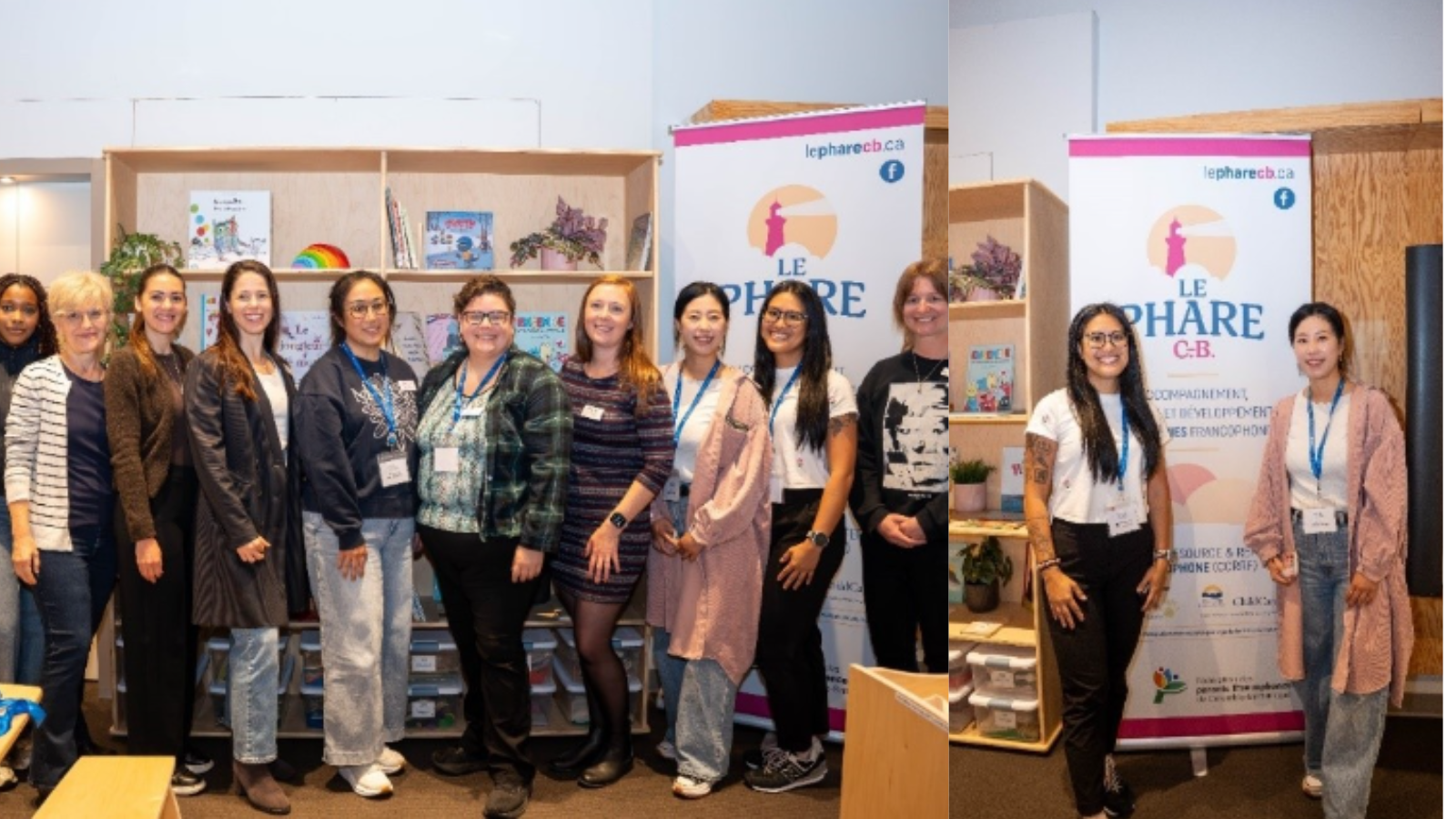
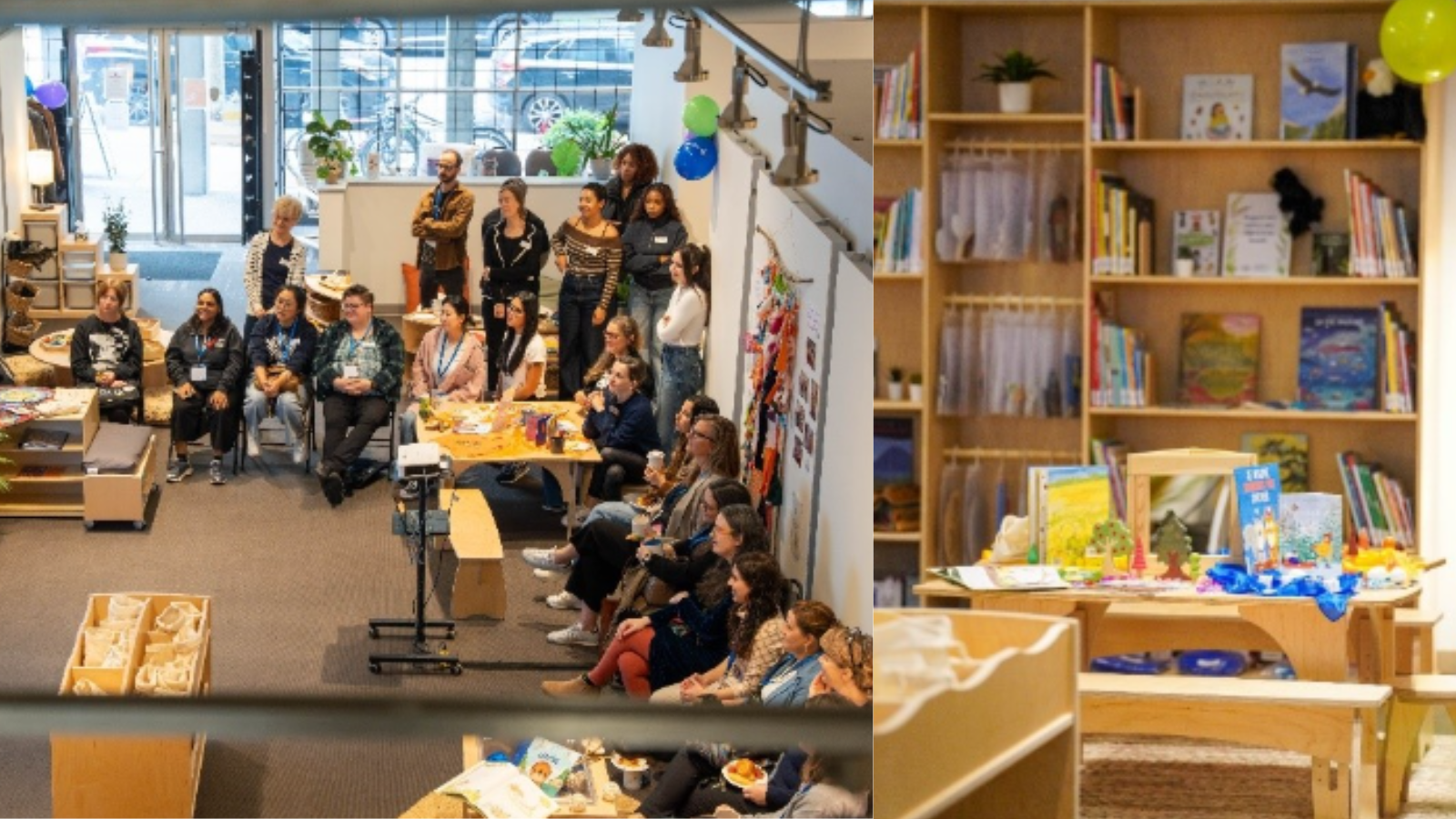
We had the pleasure of attending the grand opening of Tire-Lire Pro, a lending library for educators through the Francophone CCRR, that services all of British-Columbia. We learned about the road they took to get their library off the ground, see their wonderful and varied resources, and chat with colleagues from other CCRRs. As this lending library services all of Vancouver, they provide free shipping of materials across the province.
Check our library hours of operation at our website, before coming by.
Learn more about our library
Parents and Guardians
Do you really need to cut off the crusts? Expert advice on navigating picky eating.
UBC clinical instructor and pediatric occupational therapist Dr. Lauren Hershfield offers tips for making school lunches less stressful for picky eaters and parents.
If you’ve ever found yourself carefully trimming the crusts off bread or peeling the skin off grapes—only to have your child’s lunchbox, come home untouched—you know that packing school lunches for a picky eater can feel like a daily battle. It can also leave parents wondering whether their child is getting the nutrition they need to thrive.
Dr. Lauren Hershfield, a clinical instructor at UBC and pediatric occupational therapist, supports parents and children navigating the challenges of picky eating. We spoke with her about how parents can make school lunches and mealtimes less stressful, while helping children build a healthy relationship with food.
Why are some children picky eaters?
Picky eating is really common in childhood. It usually means a child eats a limited variety of foods or is reluctant to try new ones.
There isn’t one reason why a child becomes a picky eater. It can be a combination of their biology, development, temperament, environment, and sensory preferences. Some children are more sensitive to tastes, textures or smells, which can make certain foods harder for them to accept.
When it comes to packing school lunches for picky eaters, should parents really be cutting off the crusts? It’s absolutely okay to modify foods to make them more appealing. If your child will eat an apple without the skin, or a sandwich without the crust, go ahead and do it. The priority is making sure they’re getting enough energy to learn and play.
Over time, you can gradually make small changes, like leaving a little more skin or crust on. Eating at school can become easier as children get older and more comfortable with the environment.
Why will my child eat at home but barely touch their lunch at school?
Eating at school looks very different from eating at home. Lunch periods are often short, children may be distracted by their friends, and they’re often more interested in getting outside to play. There are also different smells, sounds and routines that can make eating more challenging, especially for younger children.
If your child is struggling to eat enough at school, it can help to think about their nutrition across the whole day rather than focusing only on lunch. A bigger breakfast, an additional snack before or after school, or making sure they have a few of their preferred foods in their lunch can help make sure they’re getting the energy they need.
What are some simple tips for parents when it comes to packing lunches for picky eaters?
Get your child involved in preparing and packing their lunch in a way that matches their age. Being involved can help children become more comfortable with different foods, textures and flavors. For a toddler, you might offer a choice: “Would you like apples or strawberries?” Younger children can pack their own snacks or help make a sandwich, while older children can take on more of the lunch-making themselves.
It’s also important to pack foods you know your child likes while including a new or non-preferred food. This gives them something familiar to eat and a reliable source of energy, while also creating opportunities to explore new foods.
For children who are sensitive to smells, sounds or unfamiliar environments, talk about what lunchtime will be like before school starts. And finally, practice opening lunch containers and water bottles at home, so they feel more confident at school.
When should parents seek help with picky eating?
Some signs that extra support may be helpful are when mealtimes are consistently stressful or when picky eating starts to interfere with everyday life. For example, if your child is struggling to attend birthday parties or eat at friends’ houses, it may be time to reach out for support.
And importantly, your own stress as a parent matters too. If you’re constantly worried about what your child is eating or mealtimes have become a source of anxiety for your family, getting support early can help make mealtimes more positive for everyone.
Learn more here!

Westcoast News - Closures
Our office will be closed on Wednesday November 11 for Remembrance Day.
Check out our library hours of operation at our website, before coming by.
B.C.'s new time zone (Pacific time)
B.C. has adopted permanent year-round daylight saving time, or Pacific time (PCT), to improve people’s overall health, reduce disruptions for families, simplify scheduling and provide an extra hour of evening light during the winter months.
For the majority of people in B.C. there are no immediate actions. Many clocks automatically “sprung forward” an hour as usual on March 8, 2026. On November 1, 2026, when previously clocks would have been turned back an hour, no change will be made.
Learn more here!

Community Partner News
Indigenous Disability Awareness Month: Celebrating Strengths and Advancing Inclusion
November is Indigenous Disability Awareness Month (IDAM), a time to recognize and honour the leadership, strength, contributions, and lived experiences of Indigenous persons with disabilities.
As CSSHSA reflects on the ongoing work needed to advance disability rights and reconciliation together, they invite us to learn about Indigenous Disability Awareness Month, advocate for culturally safe and accessible work environments, and help amplify the voices and experiences of Indigenous persons with disabilities.